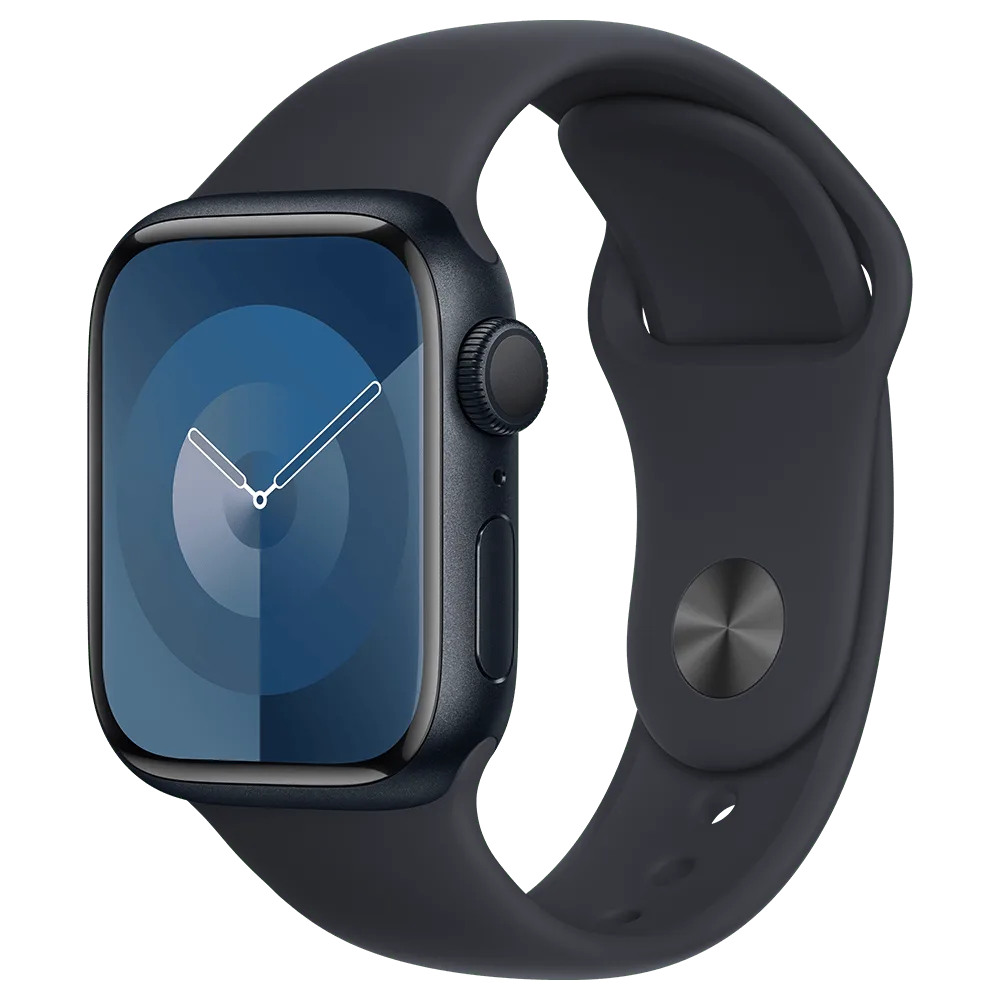
There is a prevailing belief that because a smartwatch is marketed as swim-proof, it remains that way indefinitely. However, recent evidence suggests that many long-term users are experiencing fatal hardware failures during routine swimming sessions, particularly with older models. The harsh reality is that water resistance is not a permanent feature of a device, but a temporary state maintained by physical seals.
The internal gaskets and adhesives responsible for keeping moisture out of your watch are subject to natural degradation. Over several years, these components lose their elasticity and structural integrity. While a new watch might easily handle pool or ocean depths, an older device—even one that has survived many prior swims—is at significant risk. Factors such as exposure to chemicals, salt water, soap, lotions, and even physical impacts from daily wear accelerate this aging process.
There is no official service to reseal an Apple Watch, meaning once the integrity of those seals is compromised, the device is essentially vulnerable. Many users suggest that after three years of regular use, it is wise to treat the watch as splash-resistant rather than fully submersible. Furthermore, harsh chemicals found in soaps or sunscreens can actively break down the materials used in these seals, so it is best to rinse your watch with fresh water after exposure to any non-potable liquids.
| Risk Factor | Impact on Longevity |
|---|---|
| Age of Device | High: Seals degrade naturally over 3+ years |
| Soap/Lotions | High: Chemicals break down adhesive compounds |
| Impact/Bumps | Medium: Physical force can misalign the screen or casing |
| Salt/Chlorine | High: Salt crystals and chemicals corrode seals |